Moss, algae, and mildew thrive in Oregon's wet climate. Discover the most effective cleaning methods for siding, driveways, and more.
Why This Matters
Not every cleaning method is right for every surface. Using the wrong approach doesn't just waste money — it can damage your property. High-pressure washing on shingles strips their protective coating. Chemical treatment on wood decks without proper neutralization discolors the wood. The right method depends on the surface, the type of contamination, and the desired result.
This guide compares every major exterior cleaning method used in Oregon, explains when each is appropriate, and helps you make an informed decision.
Method 1: High-Pressure Washing (Power Washing)
How It Works
Water is pumped at high pressure (1,500–4,000 PSI) through a nozzle, using the force of the water to blast debris off surfaces.
Best For
Concrete driveways, brick, pavers, concrete retaining walls, and hard stone surfaces. These materials can withstand high pressure without damage.
Not Recommended For
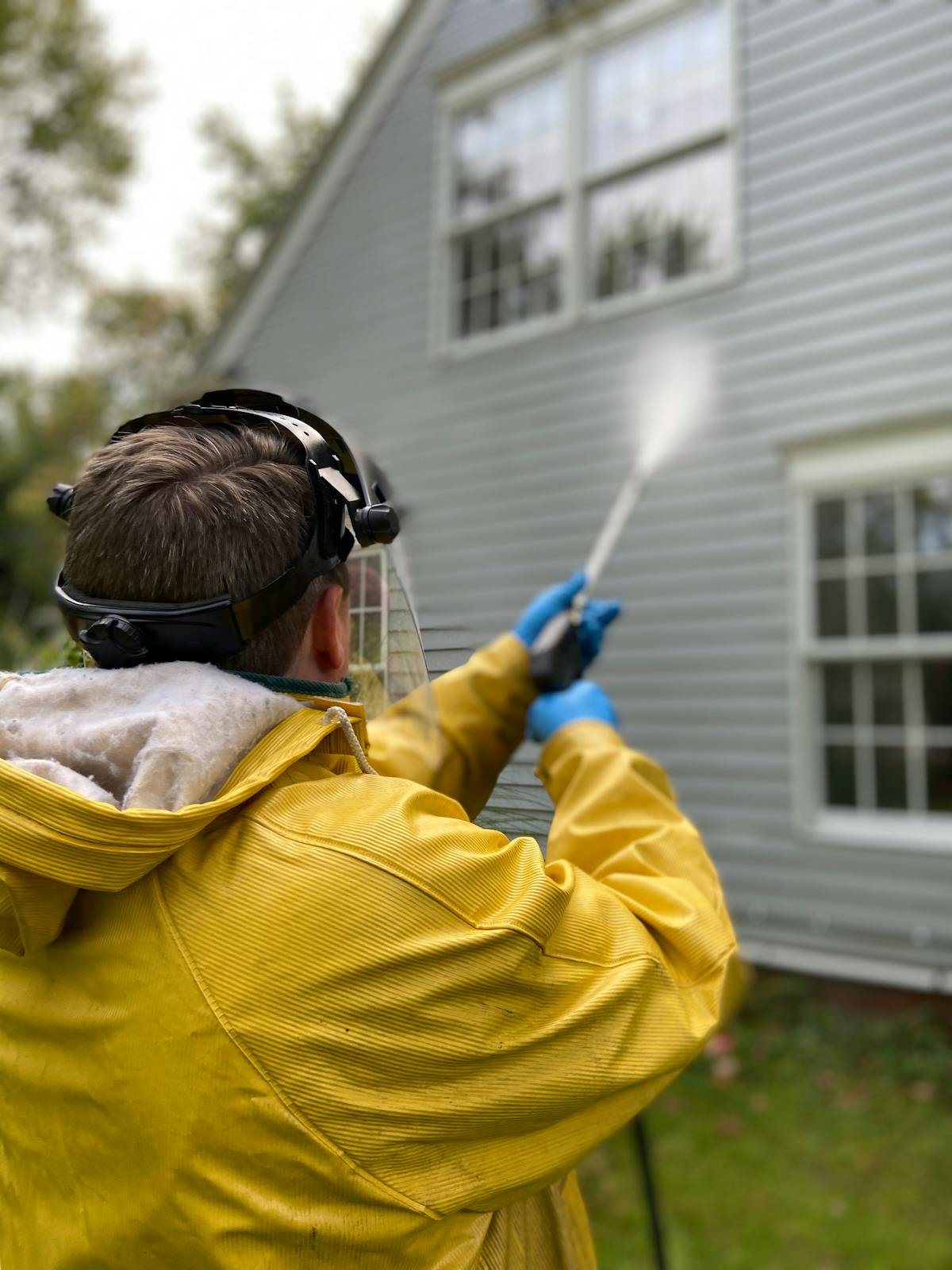
Roofs (strips shingles), wood siding (gouges and splits), painted surfaces (removes paint), and vinyl siding (can force water behind panels).
Pros
Fast, effective for hard stains on hard surfaces. No chemicals required for light cleaning.
Cons
Can damage softer materials. Requires significant water volume. Operator skill matters enormously — wrong PSI or distance causes damage.
Method 2: Soft Washing
How It Works
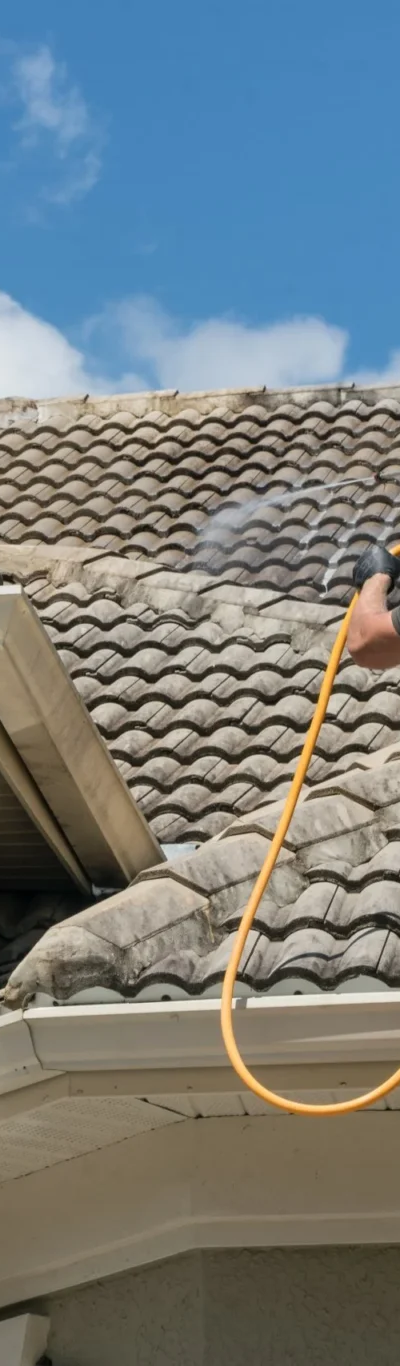
Water is applied at very low pressure (under 500 PSI) combined with a biodegradable cleaning solution. The chemical does the work; the water rinses.
Best For
Roofs (all types), vinyl and wood siding, painted surfaces, stucco, and any surface where mechanical force could cause damage.
Not Recommended For
Heavy grease or oil stains on concrete (chemical alone won't cut through — hot water pressure is needed).
Pros
Safe for virtually all exterior materials. Effective against moss, algae, mildew, and biological growth. Lower water usage than pressure washing.
Cons
Requires proper chemical selection. Takes longer than pressure washing for the same surface. Chemical residue must be rinsed properly.
Method 3: Hot-Water Pressure Washing
How It Works
Water is heated to 140–180°F and applied at moderate pressure (800–2,500 PSI). The combination of heat and pressure dissolves grease, oil, and stubborn organic compounds.
Best For
Driveways with oil stains, commercial parking lots, gas station aprons, and any surface with petroleum-based contamination.
Pros
Dramatically more effective than cold water for grease and oil. Kills bacteria and organic matter more thoroughly.
Cons
Equipment is more expensive and heavier. Still requires operator skill to avoid surface damage.
Method 4: Chemical Treatment (Spray and Wait)
How It Works
A chemical solution (moss killer, algae inhibitor, or surface cleaner) is sprayed onto the surface and allowed to work over days or weeks. The moss/algae dies and washes away with rain.
Best For
Preventive treatment after cleaning. Roofs that are difficult to access repeatedly. Surfaces where immediate visual results aren't critical.
Pros
Low labor cost. Effective long-term prevention. No mechanical stress on surfaces.
Cons
Results take days to weeks. Not suitable for immediate cleanup before an event. Wrong chemicals can damage gutters and flashing.
Method Comparison: Quick Reference
| Method | Best Surface | Speed | Damage Risk |
|---|---|---|---|
| High-Pressure | Concrete, brick, pavers | Fast | High (if misused) |
| Soft Wash | Roofs, siding, painted | Moderate | Very Low |
| Hot-Water | Oil stains, grease | Fast | Moderate |
| Chemical Only | Prevention / treatment | Slow (days–weeks) | Low (if correct product) |
What Does On Top Home Services Use?
We match the method to the surface and the job. Roof cleaning always uses soft-wash. Driveways and hard surfaces use hot-water pressure washing. Moss prevention uses targeted chemical treatment after cleaning. We never use a one-size-fits-all approach — because your property deserves better than that.
Ready for professional house washing in Salem?
This guide covers the how and why. When you want it handled, On Top Home Services provides house washing in Salem, Oregon — veteran-owned, licensed and insured, with free, no-obligation estimates.
Serving another city? See House Washing across the Willamette Valley, or browse every service we offer in Salem.
Need This Service?
On Top Home Services provides professional exterior care services throughout the Willamette Valley. Contact us today for a free estimate.